
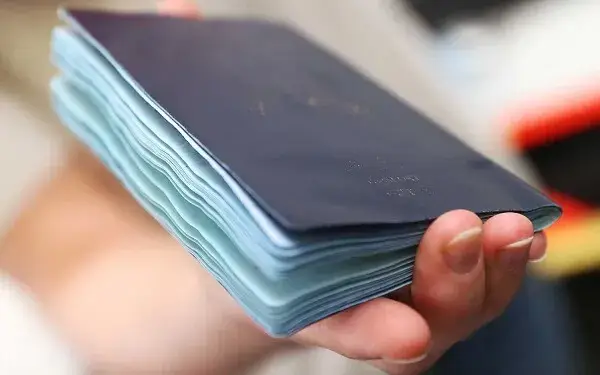
A passport is one of the most important travel documents you’ll ever own, but many travelers don’t realize how easily it can become damaged or invalid. Even minor wear and tear can create problems at border crossings or airport check-in counters if officials determine that the passport is no longer in acceptable condition.
Understanding the most common causes of passport damage can help you protect this essential document and avoid unexpected disruptions to your travel plans. Taking a few preventive measures outlined below can save time, money, and unnecessary stress before your next trip.
Water Damage
Water is one of the most common reasons passports become unusable. Rain, spilled drinks, washing machines, swimming pools, or exposure to excessive humidity can all affect the document. When a passport becomes wet, its pages may wrinkle, stick together, or tear. Water can also damage security features and make printed information difficult to read. Even if the passport dries out, permanent damage may remain. To reduce the risk, store your passport in a waterproof travel wallet or protective sleeve whenever you’re on the move.
Torn or Missing Pages
A passport must remain complete. Pages that are torn, loose, or missing can lead immigration officials to question the document’s validity. Accidental tears often occur when travelers quickly remove passports from tightly packed bags or allow children to handle them. Missing visa pages or identification pages may result in denied boarding or refusal of entry into another country. Always handle your passport carefully and avoid folding or forcing it into overfilled compartments.
Excessive Wear and Tear
Passports naturally experience some wear through regular travel, but excessive deterioration can become a problem.
Common signs include:
- Frayed page edges
- Loose binding
- Worn covers
- Faded printing
- Damaged laminate on the identification page
Frequent travelers should inspect their passports regularly to ensure they remain in good condition. Replacing a heavily worn passport before it causes travel issues is often the safest approach.
Ink Marks and Unauthorized Alterations
Some travelers accidentally write inside their passports or allow children to draw on the pages. Others place unofficial stamps or stickers inside the document as souvenirs. Any unauthorized markings may invalidate the passport because they interfere with official information or security features. Travelers should never alter any part of the passport beyond completing information specifically requested by the issuing authority. Keeping the passport separate from notebooks, pens, and other writing materials can help prevent accidental marks.
Damage to the Identification Page
The identification page contains your photograph, personal information, and numerous security features. Damage to this page is especially serious. Scratches, peeling laminate, fading, punctures, or tears may make it difficult for officials or electronic scanners to verify your identity. If the identification page is compromised, replacement is generally necessary before international travel.
Knowing When Replacement Is Necessary
If you’re uncertain whether your passport is still acceptable for travel, it’s wise to have it evaluated before booking an international trip. Waiting until the day of departure could result in missed flights or delayed travel.
Travelers who need a damage passport replacement from urgentpassport.com can explore expedited replacement services designed to help restore valid travel documentation as quickly as possible. Taking action early can prevent last-minute complications and provide greater peace of mind before your journey.
Smart Habits to Keep Your Passport Safe
Taking a proactive approach to passport care can help you avoid unnecessary stress and last-minute complications. Instead of focusing only on storage, consider how you handle your passport throughout your trip. For example, avoid carrying your passport loosely alongside items like keys, coins, or electronics that could cause scratches or wear over time. Being mindful of how and when you handle your passport can go a long way in preserving its condition and ensuring it remains travel-ready.
Conclusion
Passports are designed to withstand regular use, but they are not indestructible. By handling your passport carefully and storing it properly, you can reduce the likelihood of unexpected problems.
If damage does occur, addressing it promptly and obtaining a replacement before your next trip can help ensure your travel plans proceed smoothly without unnecessary delays.

