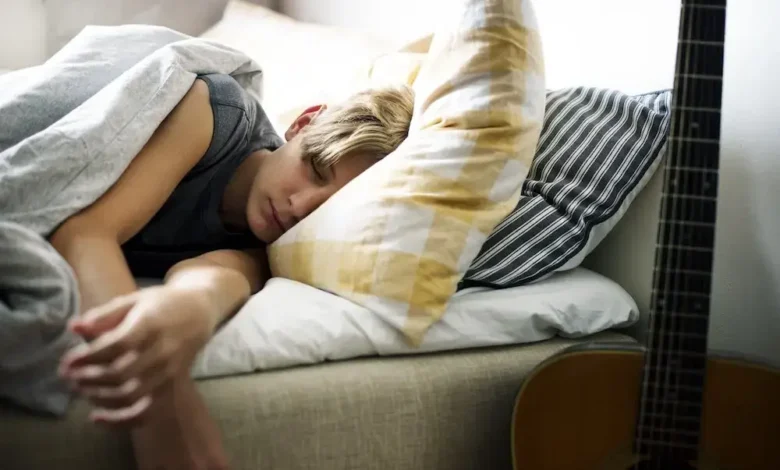
Teenagers can be genuinely exhausted before school and noticeably more switched on later in the evening, which is frustrating when the adult day runs on alarms, homework deadlines and early buses. What looks like laziness from the doorway at 7am may be a tired body clock clashing with a timetable it didn’t design.
That doesn’t mean every late night should be accepted or every morning mood ignored. Parents have a better chance of helping when they understand why teenage sleep changes, then build routines that fit real family life instead of turning every evening into the same argument.
Their Sleep Clock Runs Later
During puberty, many young people start to feel sleepy later than they did as children. They may still need a good amount of sleep, but the signal to wind down often arrives after the time adults would prefer.
By the time an early alarm goes off, a teenager who couldn’t fall asleep until late may be trying to start the day before their body feels ready. That’s why the first half hour can look like refusal when it’s really exhaustion. Articles on how circadian rhythm affects sleep and wake times explain why light, routine and body timing all play a part in when someone feels alert or tired.
Make Bedtime Feel Less Like Control
A teenager is more likely to push back if bedtime sounds like a rule left over from primary school. Instead of starting with “lights out now”, talk about what needs to happen so sleep has a chance, including homework finished earlier, devices away from the pillow, school things ready and the bedroom not full of distractions.
Young people who have lived through changes in care, home routines or family structure may need extra patience at night. In households connected with different types of foster care, bedtime can bring up worry, restlessness or a need to check that the adults nearby are still available. Boundaries still matter, but they land better when they are consistent without feeling cold.
Tackle the Evening Traps
Phones, games and streaming don’t cause every sleep problem, but they can stretch the evening without anyone noticing. A quick check of messages can become another half-hour, and a show that autoplays can make tiredness easier to ignore.
Caffeine from energy drinks, cola, strong tea or coffee can linger into the evening, while skipped food after school can leave a teenager hungry just as everyone wants the house to settle. Some reporting on why teenagers need more sleep than adults also points to the amount of growth, learning and brain development happening during these years, so sleep should be treated as part of their health rather than a spare-time activity.
Make Mornings Start the Night Before
A tired teenager won’t thank you for a full discussion while they’re looking for a missing PE top. Move as many decisions as possible to the previous evening, when uniform, bags, lunch money, travel cards and chargers are easier to sort than they are during a rushed school morning.
Weekend lie-ins can help after a difficult week, but getting up at lunchtime may make Sunday night harder and Monday morning worse. Keeping some shape to the day gives them recovery without making the next school day feel brutal.
If your teenager snores heavily, falls asleep in lessons, seems low for weeks or can’t manage school despite more rest, speak to a GP. For many families, the first step is to stop treating teen sleep as a character flaw and start shaping the evening around the body clock their teenager actually has.